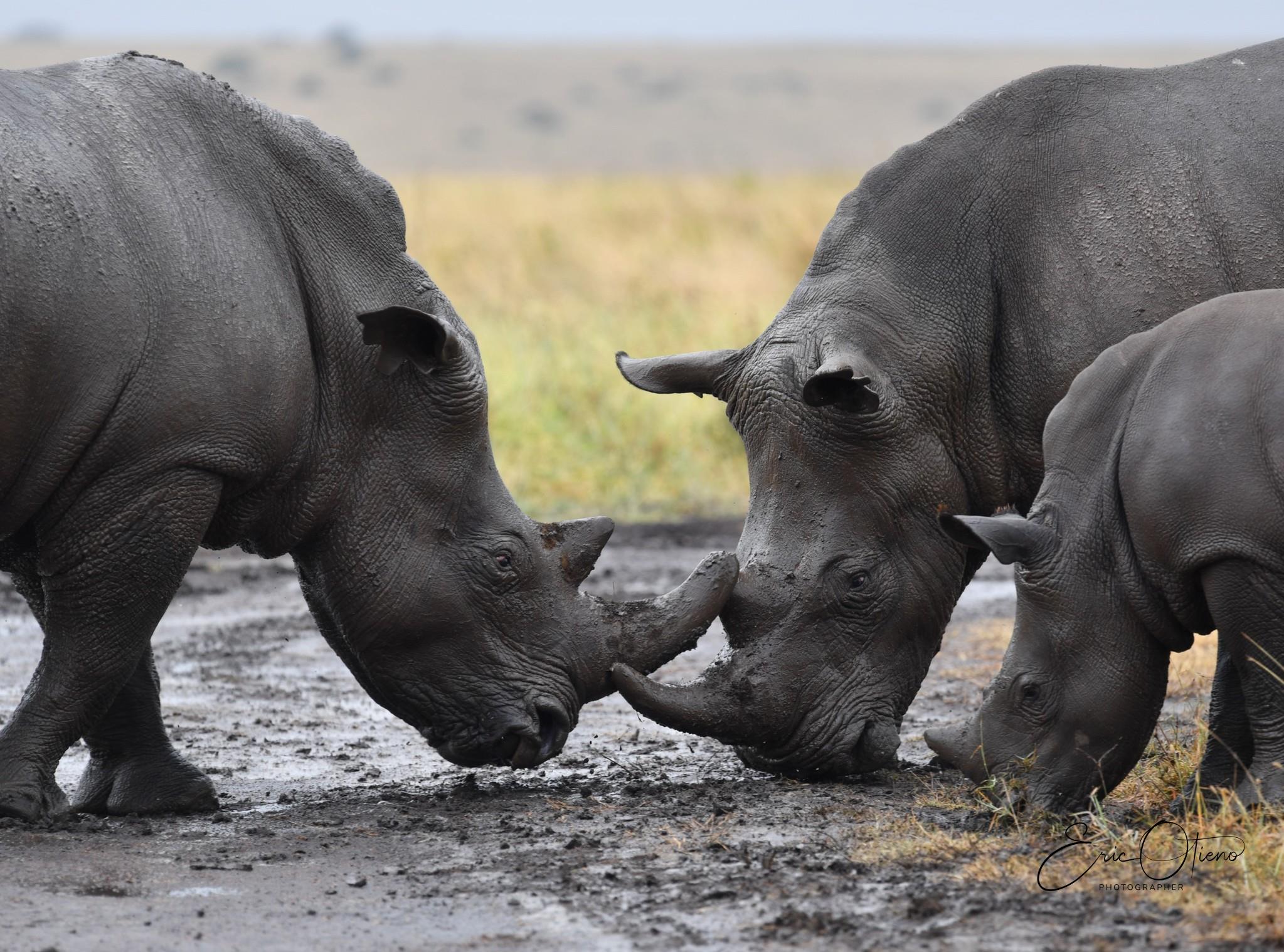
Wake-up calls are common for early safari activities. Campfires may be held when weather and safety allow.
Are wake-up calls provided?
Yes, many safari lodges arrange wake-up calls for early game drives, sometimes with a knock, phone call or hot drink depending on the property.
Confirm the time with the guide or reception the evening before. Early departures often run to a tight schedule because light and wildlife activity matter.
Set your own alarm as a backup, especially if the next day includes a flight.
Are campfires held each evening?
Many lodges and camps have an evening fire when weather, safety and local rules permit, but it should not be treated as a guaranteed nightly programme.
Wind, rain, fire restrictions and wildlife movement can affect whether a fire is appropriate.
Where offered, the campfire is often a relaxed place for a drink and conversation after the game drive rather than a scheduled performance.
Is the lodge eco-friendly?
Sustainability should be judged by specific practices rather than a label. Useful indicators include renewable energy, water management, waste reduction, local employment, responsible sourcing and genuine conservation or community partnerships.
Remote lodges face practical limits, so one property may be strong on solar power while another focuses on habitat protection or community-owned tourism.
Ask what the property actually does. ESA Safaris can help compare options, but claims should be specific and verifiable.
Park rules have an ecological reason
Restrictions on off-road driving, drone use, collecting natural objects and approaching wildlife are not arbitrary inconveniences. They help protect habitat, reduce disturbance and keep visitor pressure manageable.
A guide should never be pushed to break a rule for a closer photograph. The quality of the experience is not measured only in metres from an animal.
What this means for your itinerary
Eco-friendly practice varies by property and should be judged by specific measures such as renewable energy, water use, waste and community benefit.
Ask about the exact property rather than assuming every camp offers the same routine.
Ask who manages the experience
Conservation activities should be led by the authorised park, conservancy or specialist organisation. Visitors should not expect to handle wildlife or enter sensitive areas simply because they are interested in conservation.
ESA Safaris can help explain what a visitor can responsibly observe and which experiences require advance permission.
Before you book or travel
- Follow park and conservancy rules even when another vehicle appears to ignore them.
- Do not collect natural objects or pressure guides to approach wildlife more closely.
- Ask who operates a conservation activity and what visitor participation actually involves.
- Treat rare species as wild animals, not guaranteed checklist items.
Frequently Asked Questions
Why are off-road and distance rules important?
They reduce habitat damage, crowding and wildlife disturbance. A closer view is not worth undermining the protected area.
Can I take natural souvenirs from a park?
Generally, leave stones, plants, feathers, bones and other natural materials where they are unless an authority explicitly says otherwise.
Do tourism fees support conservation?
In many protected areas, visitor revenue contributes to park or conservancy management, although the exact funding model differs by destination.
Can visitors handle rescued wildlife?
Do not assume so. Ethical conservation experiences are controlled by the responsible authority and animal welfare comes first.
Turn the answer into a workable itinerary
Tell ESA Safaris what you want the trip to feel like, not only where you want to go. That makes it easier to design a route with the right pace, activities and practical arrangements.